

Commentary
Too many national interests, too many EU institutions, and too little political will are preventing Europe from acting in its own best interests.
Judy Dempsey

The Alliance is being pulled toward a NATO 3.0 model by two structural drivers: the changing character of warfare, made visible by the war in Ukraine, and the redistribution of transatlantic burden-sharing as the United States gives greater priority to homeland security and the Indo-Pacific.
Senior Fellow, Europe Program
Alper Coşkun is a senior fellow in the Europe Program and leads the Türkiye and the World Project at the Carnegie Endowment for International Peace in Washington, DC.
Fatih Ceylan
Tacan İldem
Nihat Kökmen
Yavuz Türkgenci

Senior Fellow, Carnegie Europe
Sinan Ülgen is a senior fellow at Carnegie Europe in Brussels, where his research focuses on Turkish foreign policy, transatlantic relations, international trade, economic security, and digital policy.
Çiğdem Üstün
H.E. Ahmet Üzümcü

Too many national interests, too many EU institutions, and too little political will are preventing Europe from acting in its own best interests.

Judy Dempsey
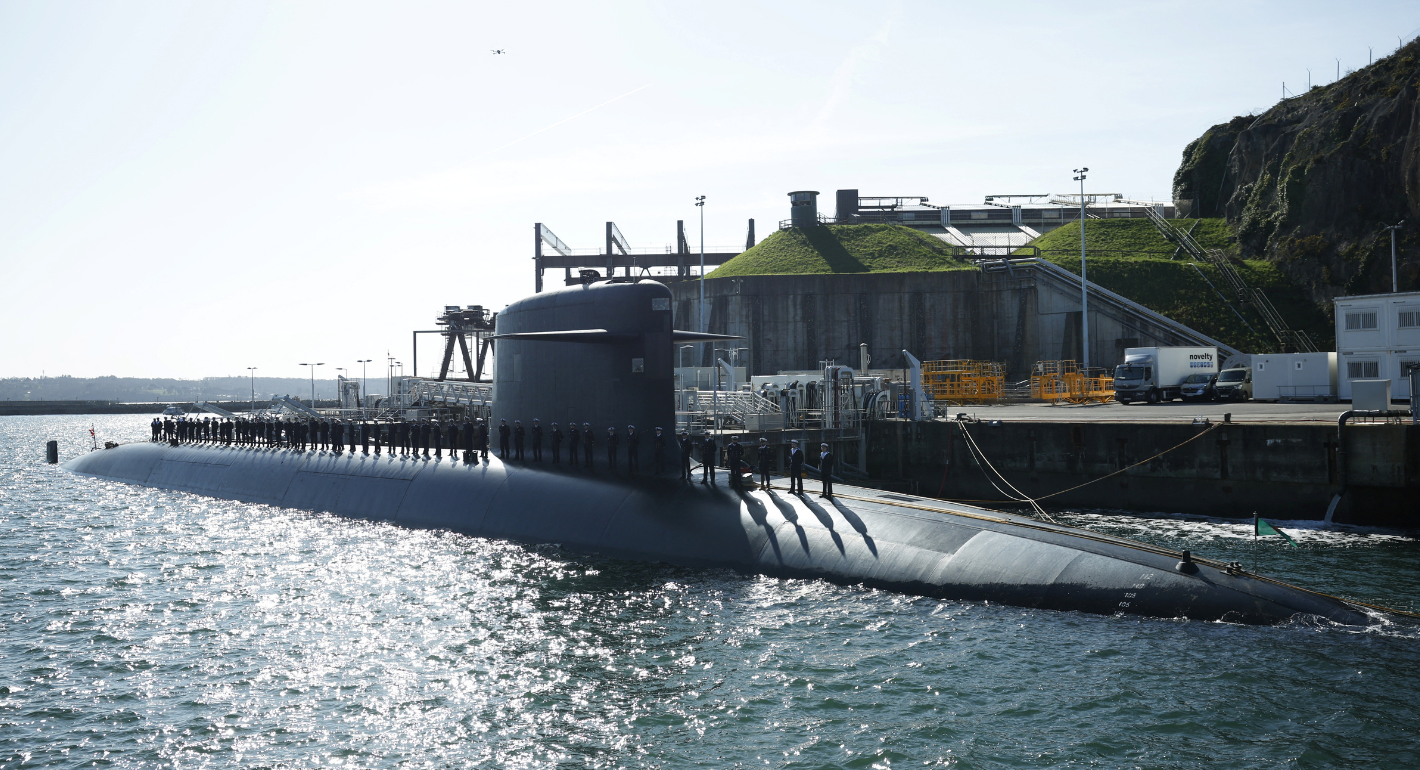
As the nuclear order rapidly evolves, what can Europeans and other key players do to strengthen deterrence and reduce risks?

Jamie Kwong, ed.
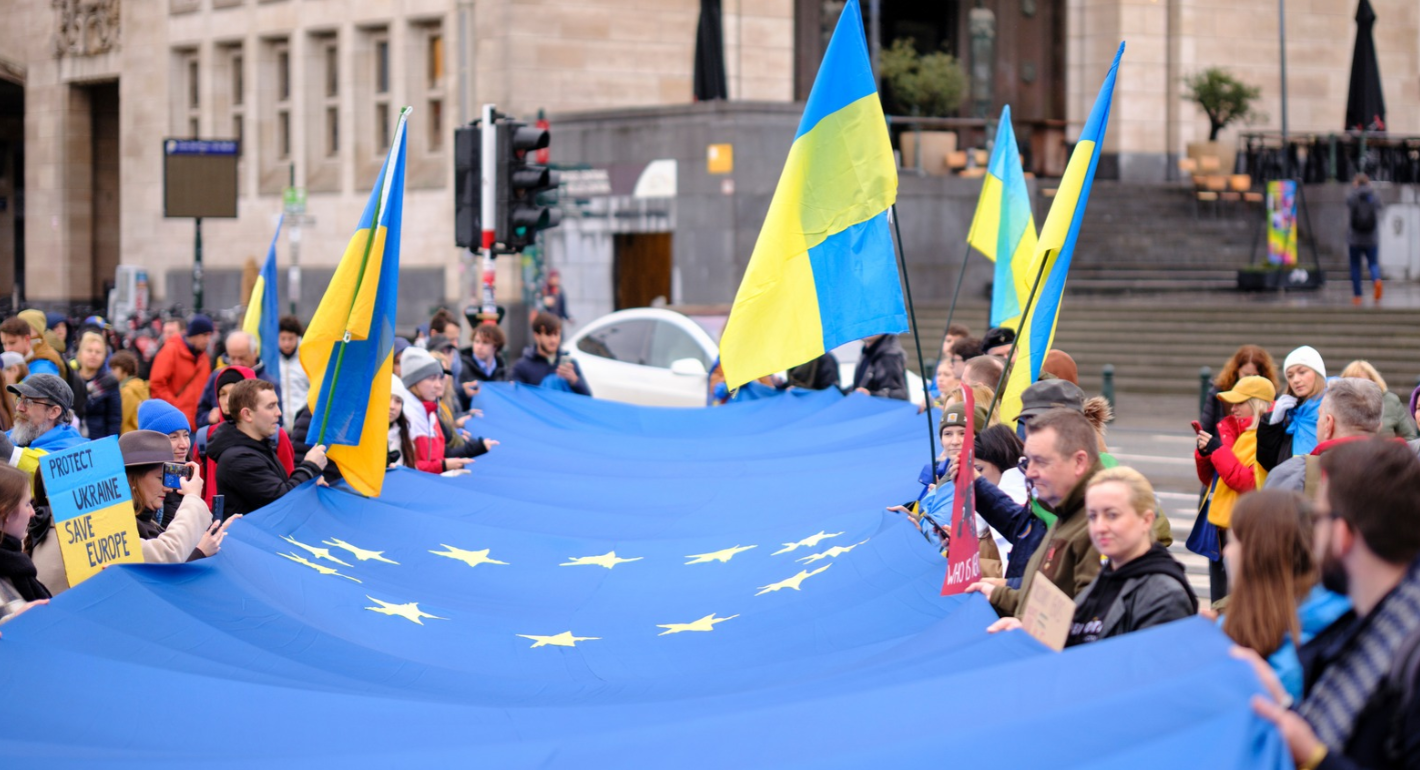
A sizeable funding shortfall looks increasingly likely to hit Ukraine in 2027. Can the Europeans, with their strained budgets and economies, come up with the cash without seizing frozen Russian assets?

Rym Momtaz, ed.
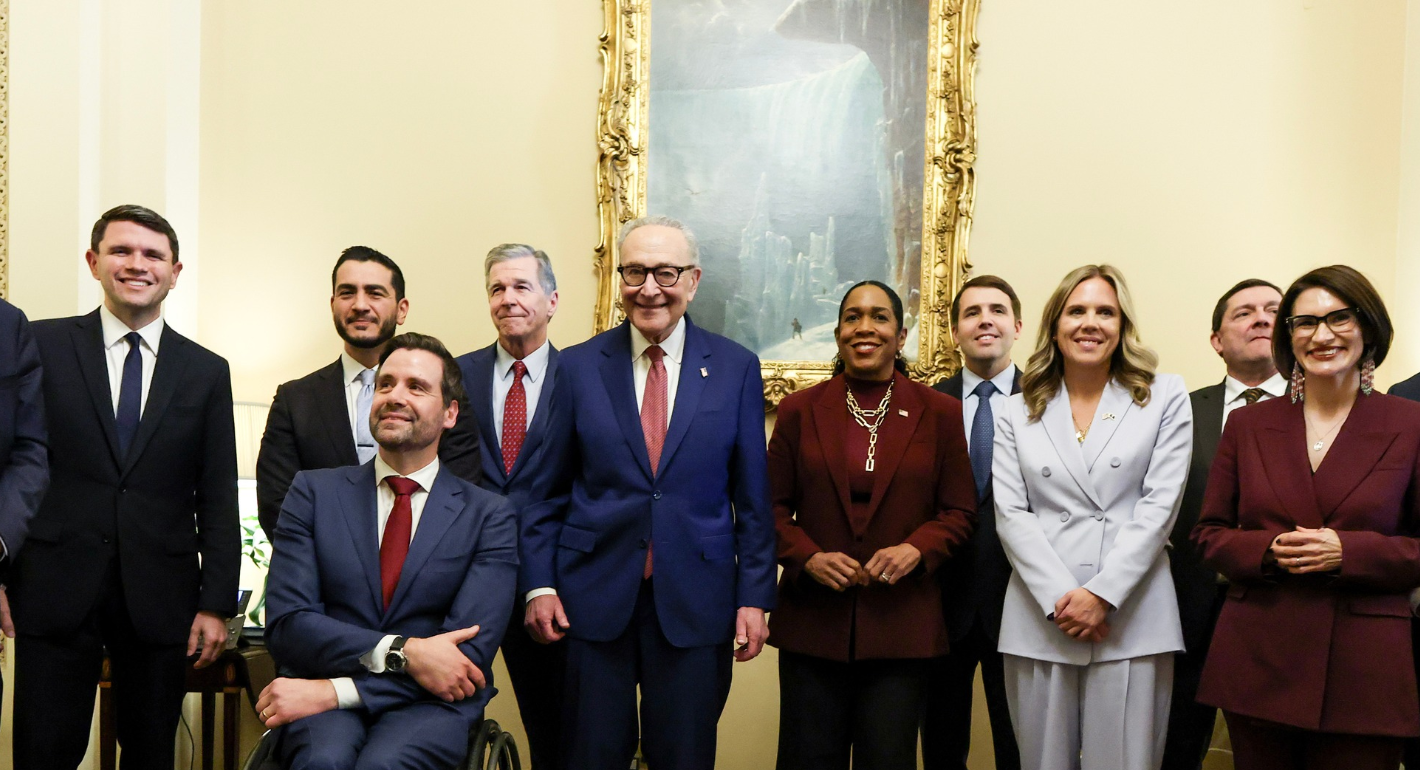
A blue wave has swept over the U.S. midterms, with Democrats regaining control of both houses of Congress. But Europeans hoping for a return to business as usual should think again.
Rym Momtaz
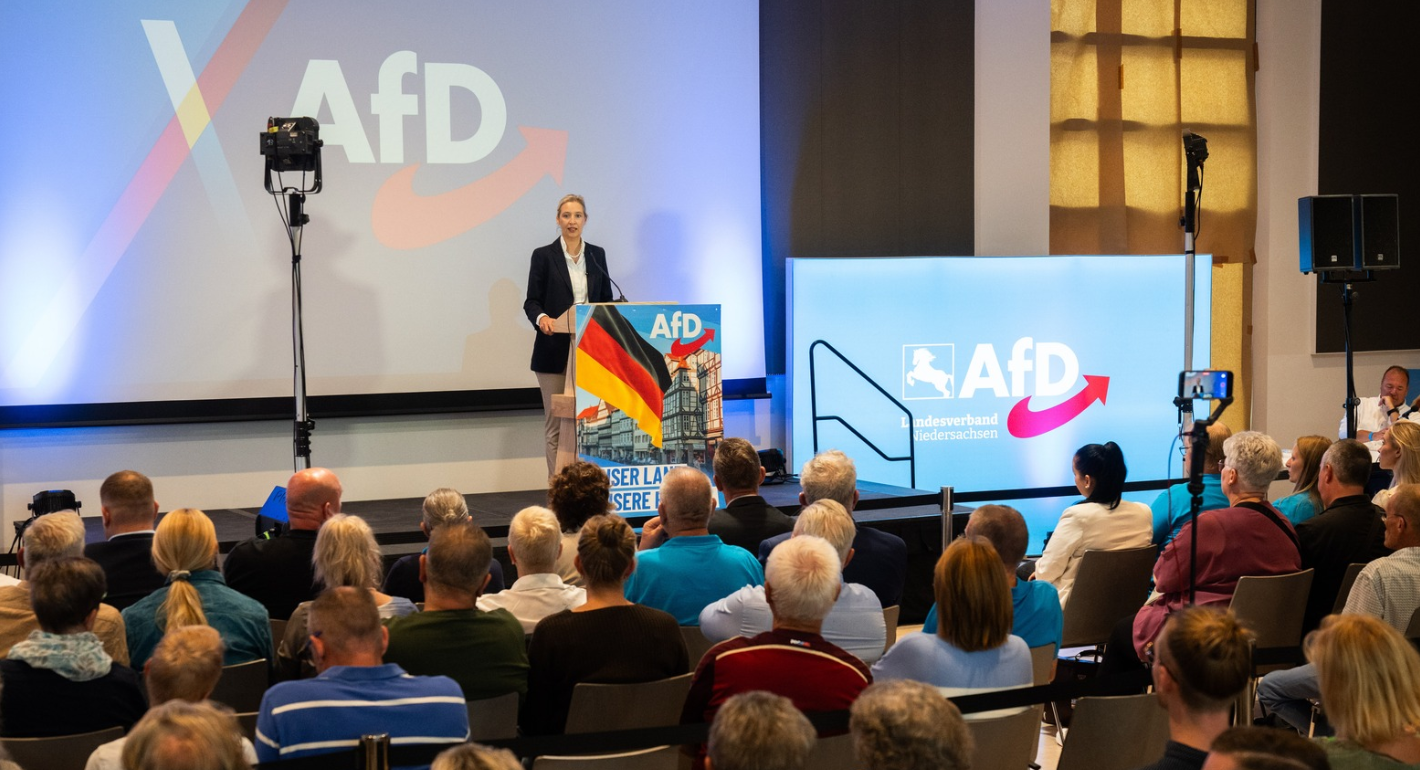
In Germany, competing perceptions of Russia are highlighting a tension between public opinion and government policy. In the country’s east, where division is widespread, populist parties are taking advantage.

Gwendolyn Sasse