

Commentary
Alexander Kolyandr, Alexandra Prokopenko
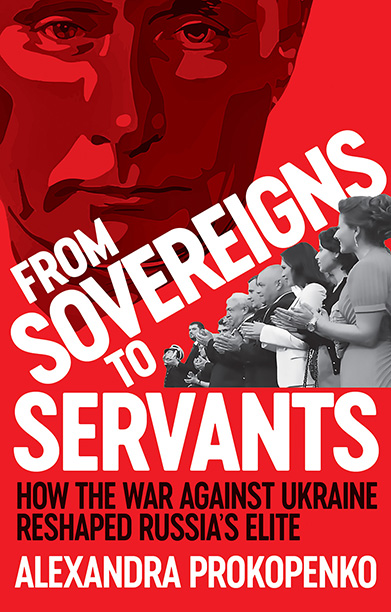
How did Putin co-opt Russia’s political and economic elites, ensuring no more than fitful resistance to the regime’s war on Ukraine?
When Moscow launched its full-scale invasion of Ukraine, the West slapped crushing sanctions on Russia. Many expected the country’s elite—prominent liberals and global businessmen—to defend their assets and cosmopolitan lifestyles by forcing Putin to stop the war. Instead, liberal-minded officials rewired the economy for war; corporations obeyed new rules; and only a handful resigned or spoke out. Why?
Built on dozens of candid conversations with top Russian officials and businessmen since the mid-2010s, this book dissects their moral reasoning, and how their boundaries of ethical acceptability expanded over time, in line with the expectations of their superiors. Though the Russian upper class retained formal attributes of power, in reality it lost its agency, essentially becoming a mere instrument of governance.
Alexandra Prokopenko illuminates the war’s pivotal moments: Western sanctions, mass mobilisation, the annexation of four Ukrainian regions, and Yevgeny Prigozhin’s aborted mutiny in 2023. She traces meticulously how competing factions, from technocrats to hawks, rationalised each shock and recalibrated their loyalties. And she sets this process within an inside history of Putin’s regime, analysing the transformation of mindset at individual and sociological levels. These people will continue influencing global politics; we must understand how they think and act.
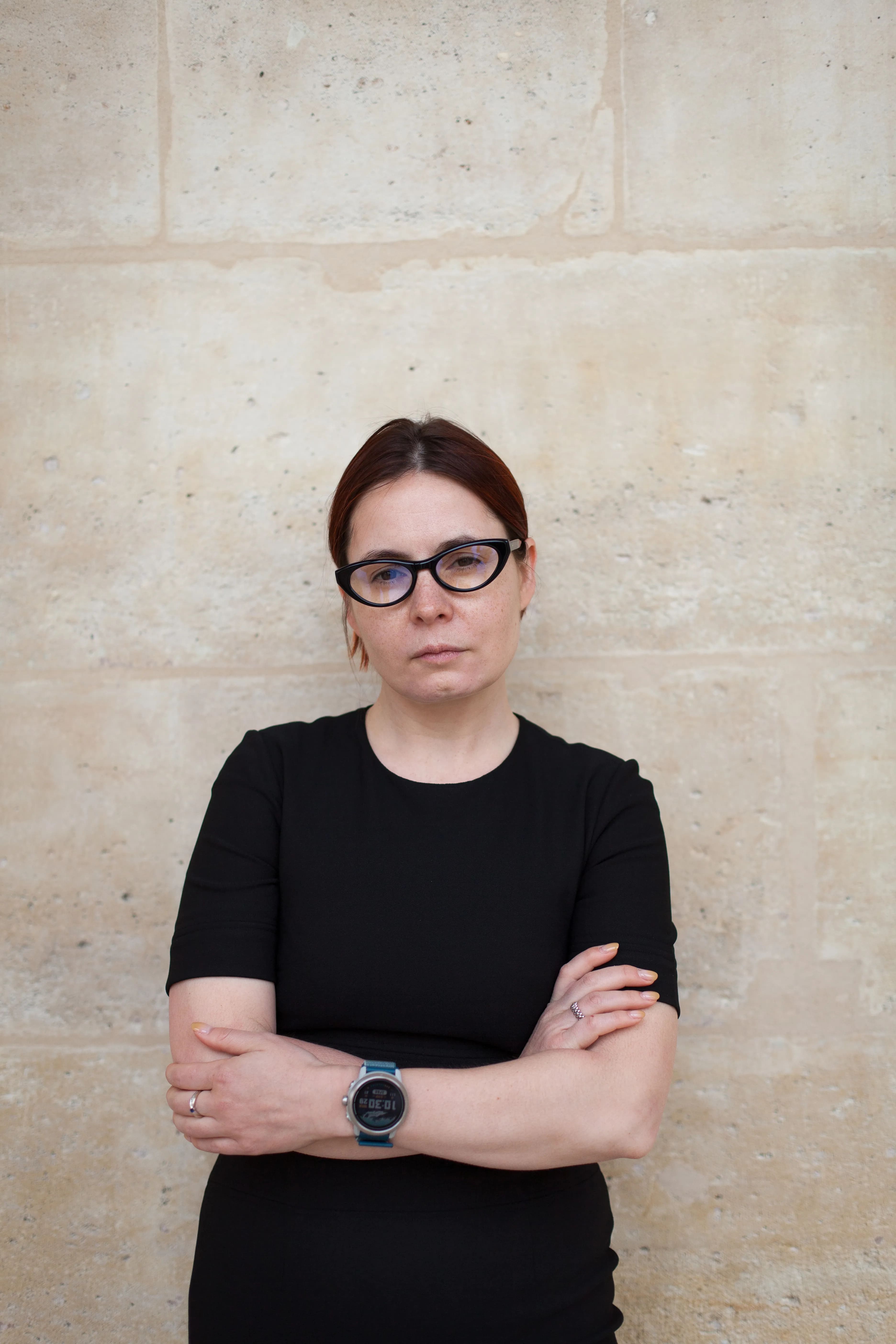
Senior Fellow, Carnegie Russia Eurasia Center
Alexandra Prokopenko is a senior fellow at the Carnegie Russia Eurasia Center.
Recent Work
Alexander Kolyandr, Alexandra Prokopenko
Alexandra Prokopenko
Carnegie does not take institutional positions on public policy issues; the views represented herein are those of the author(s) and do not necessarily reflect the views of Carnegie, its staff, or its trustees.
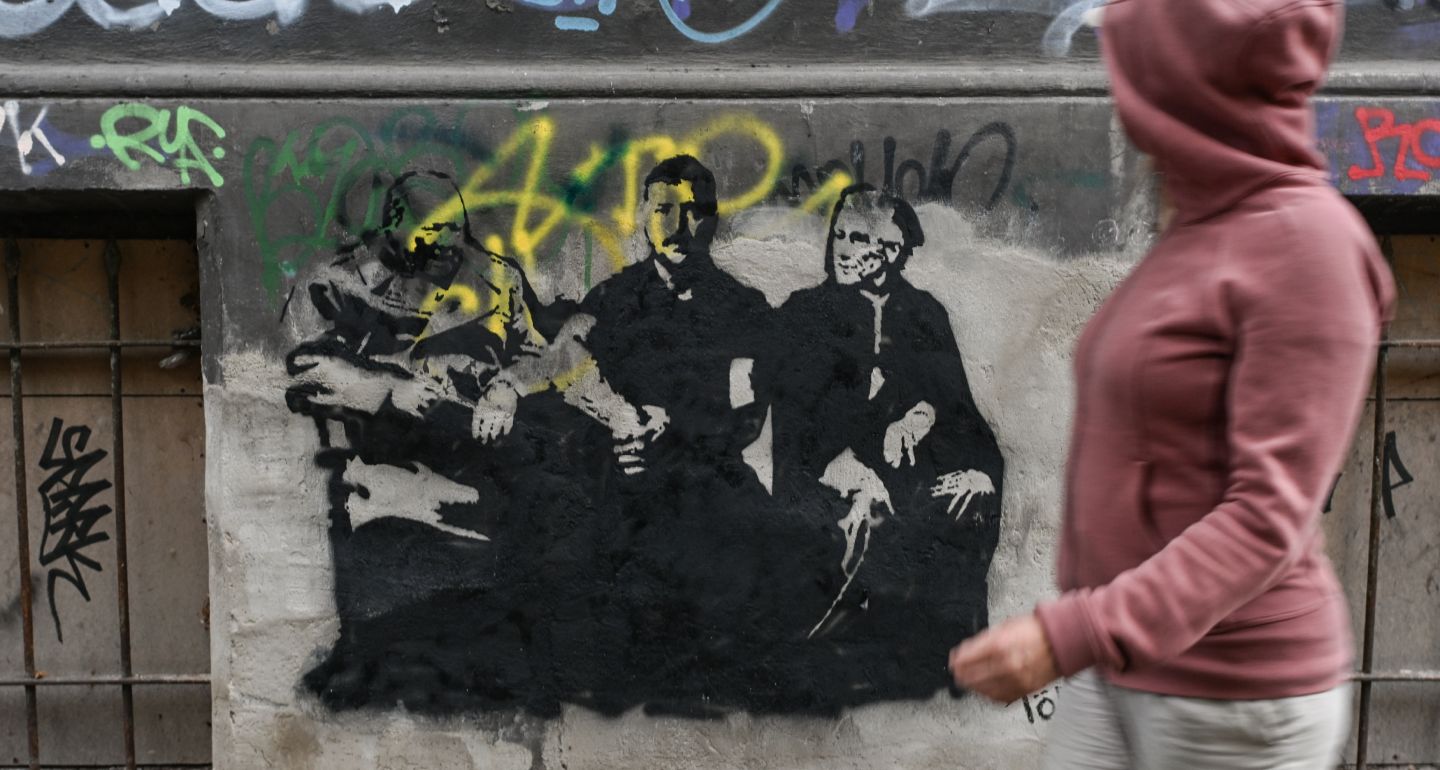
The concrete goal of an end to the hostilities in Ukraine has been replaced by a host of vague Russian demands concerning a range of issues and regions.
Alexander Baunov
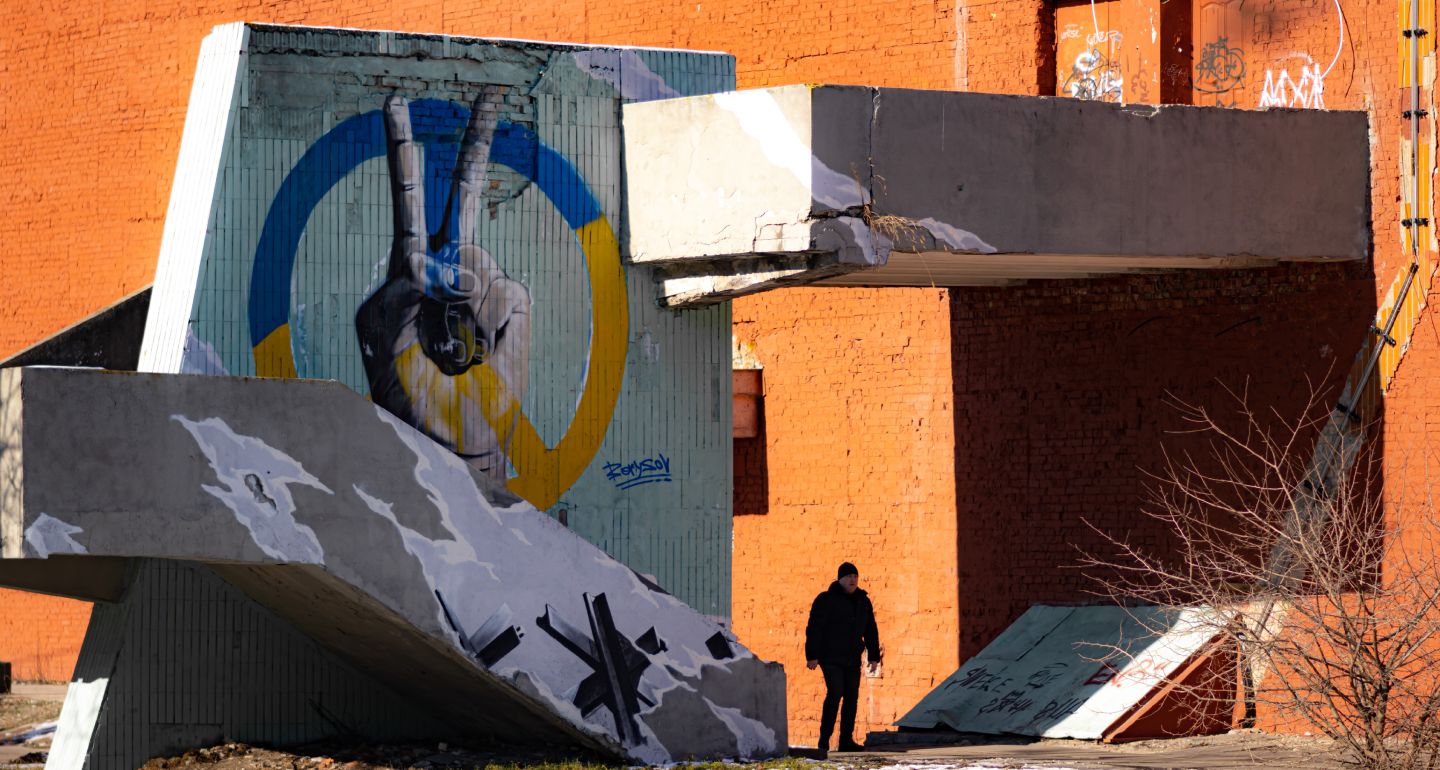
The Kremlin’s unwillingness to discuss anything other than capitulation is doing more to undermine the potential emergence of a party of peace in Ukraine than any domestic patriotic propaganda.
Konstantin Skorkin
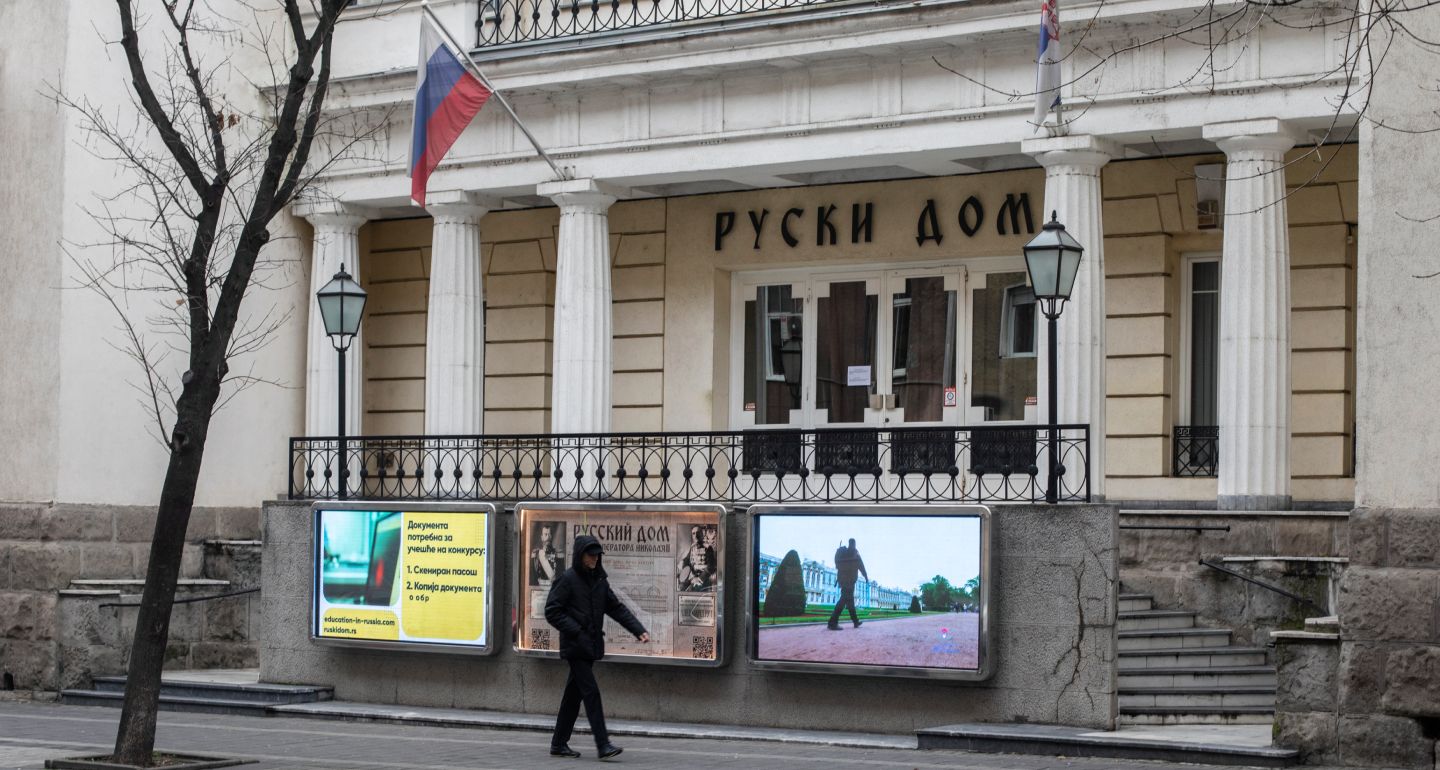
It’s a testing time for Russia’s policy in Serbia and the wider region, but it would be premature to conclude from one political setback that the days of Russian influence are over.

Dimitar Bechev
There are limits as to how far the shift in South Korea’s foreign policy will go.

James D.J. Brown
A gas deal would create palpable economic value, but it wouldn’t fundamentally change the position of either Russia or the EU.
Sergey Vakulenko